
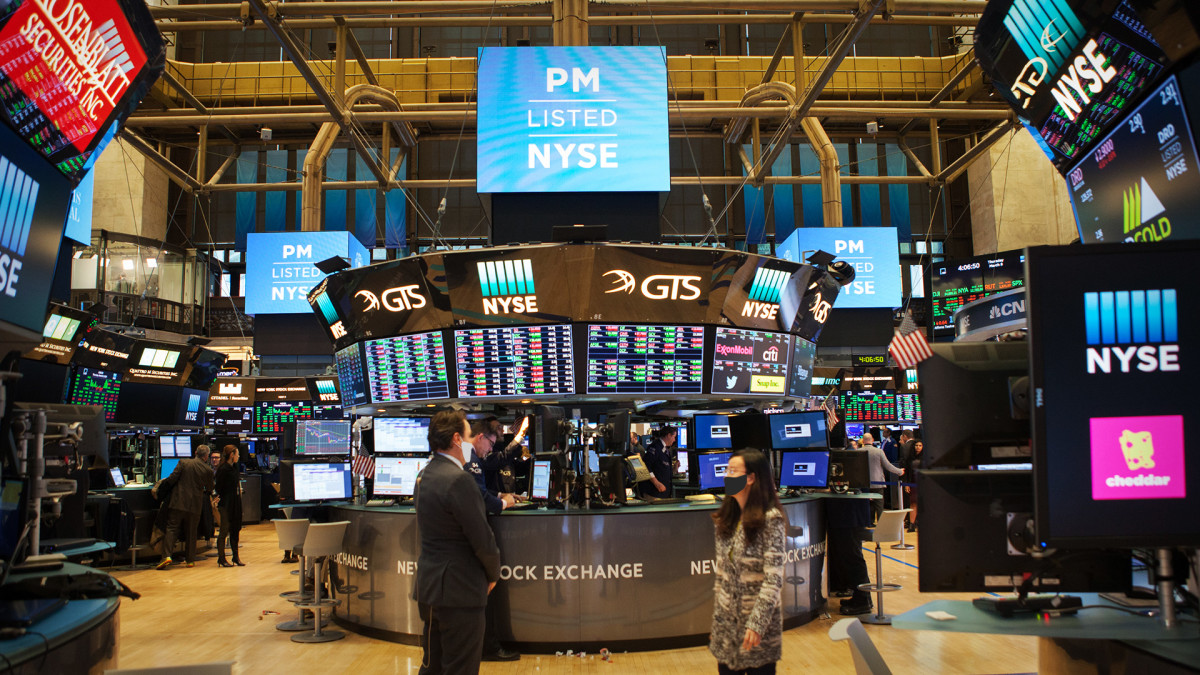
**Post-Holiday Jitters: US Stock Futures Edge Lower After Christmas Break – What It Means for Investors**
As the festive cheer of the Christmas holidays slowly dissipates, the financial markets waste no time getting back into the swing of things. Early Friday trading saw a notable, albeit slight, dip in U.S. stock futures, signaling a cautious reopening after the brief hiatus. Futures on the Nasdaq 100 (NDX), the S&P 500 (SPX), and the Dow Jones Industrial Average (DJIA) all edged lower, prompting investors to ponder the immediate outlook for the market. What exactly is driving this post-holiday adjustment, and what should investors be watching as we head into the new year? Let’s delve into the nuances of this early market movement.
**Understanding the Post-Holiday Dip: More Than Just Profit-Taking?**
The immediate reaction to a slight downturn after a holiday period is often attributed to profit-taking. Many investors might choose to lock in gains accumulated during a potentially strong pre-holiday rally, especially if they anticipate quieter trading conditions or wish to rebalance portfolios before year-end. However, the dynamics are often more complex. Low trading volumes, typical during holiday-shortened weeks, can amplify market movements, making even small buy or sell orders have a disproportionate impact on futures prices. Additionally, some traders might be positioning themselves based on economic data released during the break, or anticipating key reports slated for the upcoming week. This early Friday movement could also be a reflection of underlying investor sentiment, a subtle signal of apprehension or a recalibration of expectations following the holiday lull.
**The Bellwethers: Nasdaq 100, S&P 500, and Dow Jones Futures**
When we talk about U.S. stock futures, the focus invariably turns to these three major indices, each offering a unique lens into the market’s health. The **Nasdaq 100 (NDX)** futures represent the performance of the 100 largest non-financial companies listed on the Nasdaq stock market, heavily weighted towards technology and growth stocks. A dip here can suggest caution around the tech sector, which has often led market rallies. The **S&P 500 (SPX)** futures provide a broader snapshot of the U.S. economy, tracking 500 large-cap American companies across various sectors. Its movement is generally seen as the most reliable indicator of overall market sentiment. Lastly, the **Dow Jones Industrial Average (DJIA)** futures, though comprising only 30 significant U.S. companies, are often seen as a barometer for traditional industrial and blue-chip stocks. When all three show a downward trend, even a minor one, it suggests a widespread cautious tone across different market segments.
**Navigating the Nuances of Post-Holiday Market Dynamics**
Holiday periods often create unique trading environments. Beyond reduced liquidity, there’s also the “holiday effect” – sometimes markets rally into a holiday, followed by a period of reassessment. For active traders, understanding these patterns is crucial. For long-term investors, such minor fluctuations often represent noise rather than a fundamental shift, but they still warrant attention as indicators of market mood. The period between Christmas and New Year’s Day is famously known as the “Santa Claus Rally” window, but early Friday’s dip reminds us that markets don’t always follow a predictable script. External factors, such as global economic news, geopolitical developments, or even simple pre-weekend jitters, can easily influence sentiment and futures prices.
**Looking Ahead: Key Factors to Watch Beyond the Weekend**
As investors shake off the holiday rust, several key factors will likely dictate market direction in the coming days and weeks. Economic data releases, including inflation reports, unemployment figures, and manufacturing indices, will be closely scrutinized for signs of economic strength or weakness. Any comments from Federal Reserve officials regarding monetary policy and interest rates will also be paramount. Corporate earnings announcements, particularly from major companies that might have pre-announced guidance during the break, could also sway futures. Furthermore, global events – from commodity price fluctuations to international trade developments – continue to play an influential role in a interconnected world. Staying informed and agile will be crucial for navigating these evolving market conditions.
For those looking to make sense of these complex financial movements and stay ahead of the curve, reliable market insights are invaluable. Our website, **trygamzo.com**, aims to provide you with the resources and analysis needed to understand these trends better and make informed decisions.
**Conclusion: A Cautious Start, But Opportunities Remain**
The slight dip in U.S. stock futures after the Christmas break serves as a timely reminder that even during festive periods, market forces are continuously at play. While early Friday’s movements suggest a cautious reopening and some degree of post-holiday reassessment, it’s essential to view these short-term fluctuations within the broader market context. Volatility is an inherent part of investing, and understanding its drivers is key to building a resilient investment strategy. As we move closer to the end of the year and into 2024, maintaining vigilance, staying informed about economic indicators, and understanding the sentiment behind major indices will be paramount for both seasoned traders and new investors alike. Keep an eye on the market, and remember that informed decisions are the bedrock of successful investing. Visit trygamzo.com for more insights and to explore tools that can help you navigate the financial landscape.

Leave a Reply